Not long ago, a front coilover conversion was the calling card of any Fox Body built for serious work,
whether it was chasing times at the drag strip or carving cones at the autocross. Now, Steeda has
revived and refined that proven setup. With the return of our Pro-Action shocks and struts for every
1979-2004 Mustang, the Steeda Mustang Front
Coilover Kit (MPN 555-8110) is back in production, machined from billet aluminum in our
Valdosta, Georgia, shop. This isn’t just a throwback to the kits we offered in the 90s and early 2000s. The bar for fitment and
machining has been raised, and this kit is built to meet it. Here’s what’s changed, why a coilover
conversion still makes sense for your Fox Body or SN95/New Edge Mustang, and what you need to know
before bolting one on.
Watch our complete guide for upgrading your Foxbody's Struts to Coilovers.
The argument for a front coilover conversion boils down to three things: shedding weight, dialing in ride
height through adjustability, and unlocking spring flexibility. A standard front lowering spring for a Fox Body tips the scales at nearly 15 pounds. Swap in a full
coilover setup with a 2.5-inch spring, and you’re carrying less than half that up front, right where
every pound counts. Dropping mass from the nose lets the suspension react quicker, whether you’re
hunting for a better 60-foot or looking for more bite at corner exit. Adjustability is the other side of the coin. Instead of swapping springs to tweak ride height, a threaded
coilover sleeve on each strut lets you fine-tune it with a spanner wrench. Pair that with adjustable
rear hardware, and you can dial in stance and corner weights at every corner until the car sits and
handles exactly how you want. Moving the spring from the lower control arm up to the strut changes the front suspension’s motion ratio.
Now, the spring sits closer to the wheel and gets more done with less effort. Where you might have
needed an 800-pound competition spring in the stock spot, you can run a much softer rate on a coilover
and still keep the front end in check. That’s why this kit’s spring options run from 125 to 250 pounds,
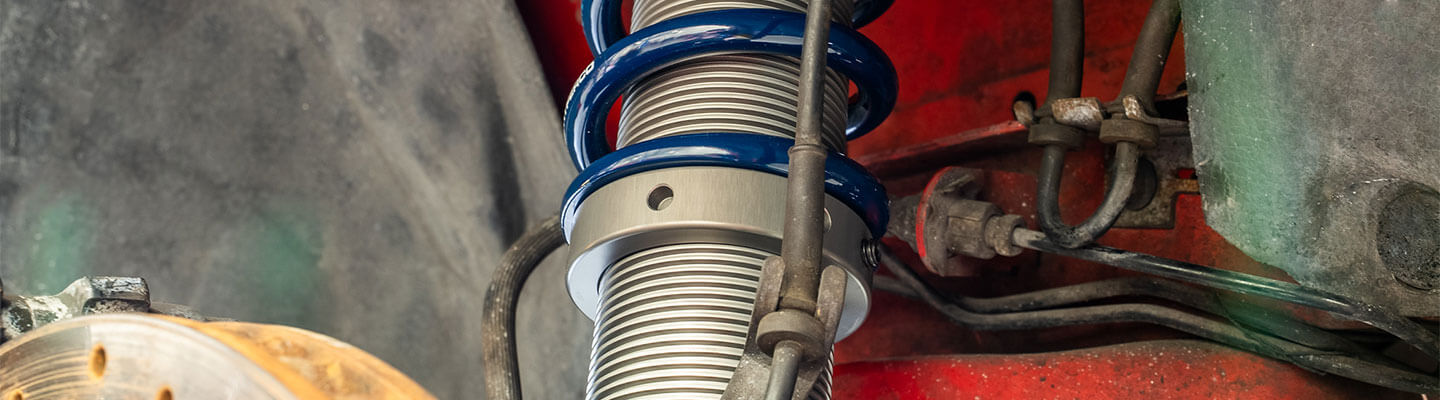
numbers that might look low if you’re used to conventional front springs. Each sleeve and perch is carved from billet aluminum and finished in a natural tone with military-grade
hard-coat anodizing. That finish does more than fend off corrosion; it hardens the surface and reduces
friction on the threads, so the adjustment collars spin smoothly and withstand countless ride-height
tweaks. If you ever tackled a coilover kit on a Fox Body years ago, you probably remember the hassle of cutting
or snapping off the flared lip at the top of the strut tube where the factory bump stop sat. The new kit
skips that headache. We use thicker wall material and machine the sleeve to tight specs, so it slides
over the strut tube and locks down with zero side-to-side play. The bottom of the sleeve is notched for
perfect alignment. Paired with our Steeda front struts, it’s a true bolt-on, no mods needed, and it fits
most other compatible struts tighter than anything from back in the day. Every time you turn the wheel, the strut assembly pivots, and so does the spring. Most kits use a bare
roller bearing and a stack of shims on the upper perch. Steeda takes it further, machining a groove into
the two-piece upper perch for rubber O-rings, then sealing the whole assembly with a cap. The
Torrington-type roller bearing inside lets the spring spin smoothly under load, while the seal keeps out
dirt and grit. The payoff is steering that stays quiet and consistent, lap after lap. Cranking down ride height with a bare steel set screw will eventually chew up the threads on your
coilover sleeve, making future adjustments a pain or even impossible. This kit solves that with a
nylon-tipped set screw on the adjustment collar. It locks things down tight against vibration but leaves
the threads untouched, so you can tweak ride height as often as you want. Just loosen the screw, spin
the collar with the included wrench, and lock it back in place. The sleeve gives you up to 6 inches of adjustment range. That doesn’t mean you can slam the car 6 inches;
it means the kit is built to handle a wide range of spring lengths and rates so that you can tailor the
setup to your exact combo. If you’re building for drag racing, you’ll want a longer spring, usually 12 to 14 inches, to help the
front end separate and transfer weight at launch. If handling is your game, a shorter, stiffer spring
keeps body motion in check. Steeda offers front spring pairs for this kit, ranging from a 14-inch,
125-pound spring to a 12-inch, 250-pound spring, with recommendations based on your car’s front-end
weight. Springs are sold separately. Because motion ratio, front-end weight, and intended use all factor into the
correct rate, call or email Steeda’s sales team before ordering so we can spec the right spring for your
package. Ford engineered the Fox Body’s front suspension with the spring seated on the lower control arm, loading
into a K-member pocket that feeds those forces down the front frame rails. That architecture keeps
spring loads away from the strut towers, and the towers were sized accordingly. With a coilover conversion, the spring moves to the strut assembly, so the strut towers now carry the
weight of the car’s nose. On any street- or track-driven Fox Body or New Edge, a Steeda strut tower
brace isn’t just a nice upgrade; it’s a must. The brace links the towers and spreads those loads across
the front of the car and back to the firewall, cutting chassis flex so the suspension can work as
designed. The result is a smoother ride and more predictable handling when you lean on the car. Adjustable front ride height is just half the story. Steeda’s Weight Jacker adjustable lower control arms
bring that same threaded adjustability to the rear. With coilovers up front and Weight Jackers out back,
you get ride height control at all four corners, making it easy to level the car, set your rake, and
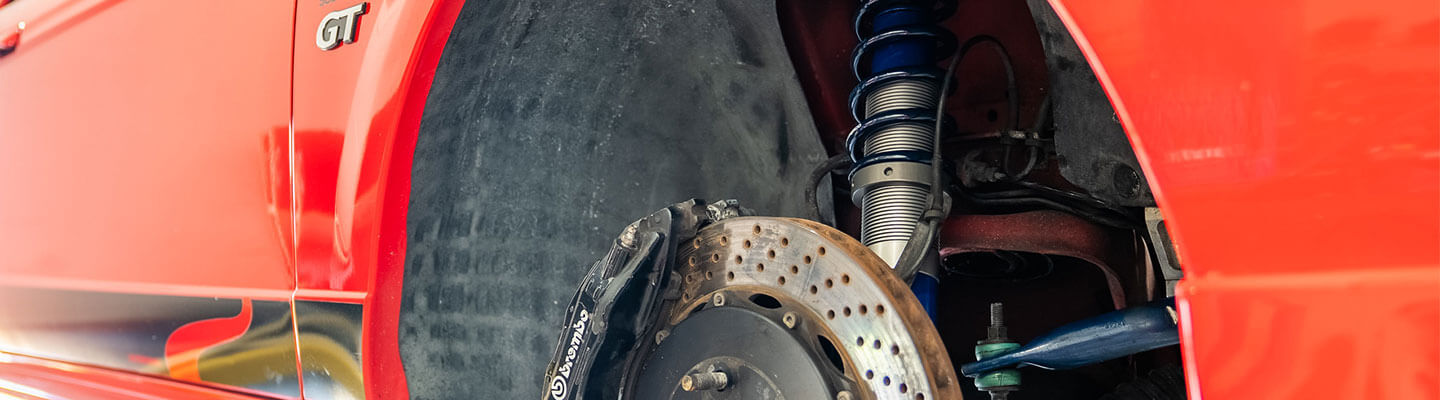
fine-tune corner weights. Installation is a bit more involved and should take about three hours with basic shop tools. Here are a
few key things to keep in mind: The 555-8110 kit bolts onto any 1979-2004 Mustang: LX, GT, Cobra, Mach 1, Bullitt, or SVO. It takes
standard 2.5-inch coilover springs and can be reversed back to stock springs if you ever want to go
back. Compatible struts include Steeda Pro-Action, Tokico Illumina and D-Spec, Strange adjustable, Koni Sport
(single- and double-adjustable), and Lakewood units with a 2.2-inch housing. The kit won’t fit QA1, Koni
STR.T, Bilstein, or Lakewood 2.0-inch housing struts. The Fox Body front coilover conversion built its reputation years ago, and this kit brings it up to date
where it matters: a tougher, slicker anodized finish, tight machining that eliminates strut tube mods, a
sealed roller-bearing perch for smooth, quiet steering, and ride-height locking that won’t chew up
threads. Built in Valdosta, Georgia, and backed by decades of Steeda race engineering, it’s the perfect
match for our Pro-Action struts and Weight Jacker rear control arms, giving you adjustability at every
corner of your 1979-2004 Mustang.How to Upgrade Your Fox Body Struts to Coilovers

Why Convert Your Fox Body to Front Coilovers
What Changed for the New Kit
Military Grade Hard Coat Anodizing
Tighter Tolerances, No More Strut Tube Trimming
A Sealed Torrington-Type Roller Bearing, Not Loose Shims
A Nylon-Tipped Set Screw That Protects Your Threads
Spring Selection: Drag, Handling, and Street
Spring
Recommended For
14in 125lb / 12in 175lb (lighter rates)
Lightened cars with lightweight K-members, fiberglass hoods, aluminum heads
12in 175lb
Minimal front weight reduction, or 351W with aluminum heads
12in 200lb
Stock or slightly heavier than stock front end weight
12in 225lb / 12in 250lb
Heavier combinations and firmer handling setups
Why a Strut Tower Brace Is Mandatory
Finishing the Stance: Weight Jacker Rear Control Arms
Installation Notes
Fitment and Compatibility
Final Thoughts