A Mustang that pulls cleanly through the bottom of the tach but starts breaking up near redline can send
you searching through fuel pressure, coil packs, tuning, and sensors. Sometimes the issue is much
simpler. Under high cylinder pressure, a worn spark plug or incorrect plug gap can turn a strong-running
engine into one that misfires as soon as boost comes in or RPM climbs. That is exactly why spark plugs on a Mustang deserve a closer look than most owners give them. For a stock daily driver, selecting plugs is mostly a matter of using the correct OE replacement and
keeping up with maintenance. Add boost, nitrous, ethanol-based fuels, aggressive tuning, or extended
track use, and heat range and plug gap become much more important. The right spark plug is not always the priciest or the coldest option on the shelf. It is the one that
fits your engine, your power goals, your fuel, your tune, and the way you actually drive your Mustang.
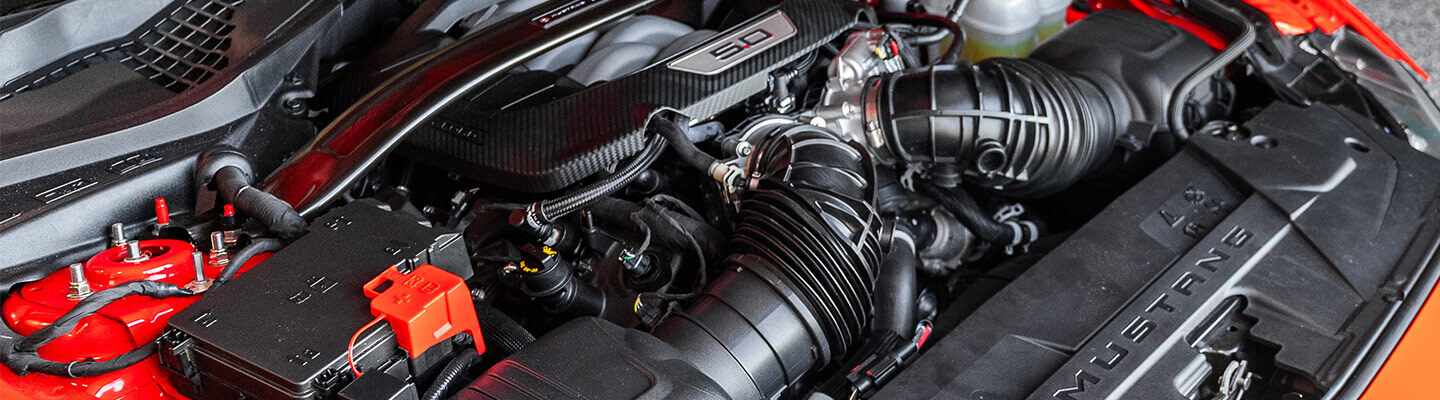
Every combustion event in a gas-powered Mustang starts at the spark plug. The ignition coil supplies electrical energy to the plug, where voltage jumps the gap between the center
electrode and ground electrode. That spark ignites the compressed air-fuel mixture. Repeat that process
thousands of times per minute across four, six, or eight cylinders, and you have a running engine. That might sound simple, but life inside a Mustang cylinder is anything but. A spark plug has to fire
through cold starts, long idles, high-RPM blasts, high cylinder pressure, changing air-fuel ratios, and
wild temperature swings. Another job is easy to overlook: every spark plug has to pull heat away from its firing tip and dump it
into the cylinder head. This is where spark plug heat range matters. A colder plug transfers heat away from its firing end more quickly. A hotter plug retains more heat. Heat
range does not describe how powerful or “hot” the spark itself is. NGK specifically notes that heat
range is a measure of the plug’s thermal characteristics, not the amount of electrical energy passing
through it. On a healthy, otherwise stock Mustang, simply replacing good factory plugs with a performance-oriented
plug is unlikely to produce a meaningful horsepower increase by itself. That does not mean upgraded Mustang spark plugs are pointless. Their value shows up as increased cylinder pressure and temperatures. A modified engine can place much
greater demands on the ignition system than a stock engine. Under those conditions, the correct plug can
help maintain consistent combustion and prevent high-RPM or high-load misfires. Treat spark plugs like a supporting mod; one that keeps the rest of your build running strong. If worn plugs are already causing misfires, replacing them can restore power the engine had lost. If you
are adding a supercharger, turbocharger, nitrous system, or aggressive calibration, moving to the
appropriate colder plug can give the engine the thermal margin it needs. What you will not see is a big horsepower jump just by dropping colder plugs into a stock Mustang. Selecting Mustang spark plugs comes down to four major factors: engine compatibility, heat range,
electrode material, and plug gap. Spark plugs are not one-size-fits-all, even between Mustangs with engines that look almost identical on
paper. Thread diameter, thread reach, seat design, electrode position, and factory ignition requirements can
change between engines and model years. The S197 4.6L 3V Mustang GT is a good example. Steeda currently
lists different Motorcraft replacement plugs for 2005-2008 and 2008-2010 applications. The same rule applies across Fox Body, SN95, New Edge, S197, S550, and S650 Mustangs. Nail down the right fitment first. Then look at your mods and decide if you need to step away from the
factory heat range. If your Mustang is naturally aspirated, lightly modified, and primarily street-driven, there is usually
little reason to move several heat ranges colder. An excessively cold plug may struggle to reach its proper self-cleaning temperature during low-load
operation. NGK notes that a plug that operates too cold can accumulate carbon deposits and eventually
fail. That is why a factory-style Motorcraft plug is still a smart pick for most stock or lightly modded
Mustangs. For example, Steeda lists the Motorcraft SP-589 replacement platinum plug set for 2018-2025 5.0L Mustang
GT applications, including S550 and S650 models. Cylinder pressure and combustion temperature rise as engine output increases. Forced induction is the
obvious example. A supercharger or turbocharger forces more air into the cylinder. Add the appropriate fuel and ignition
timing, and combustion energy increases substantially. Nitrous creates comparable challenges. Sustained
high-RPM track driving can also keep combustion chamber temperatures elevated for long periods. NGK recommends considering a colder heat range as boost pressure, compression, sustained load, and
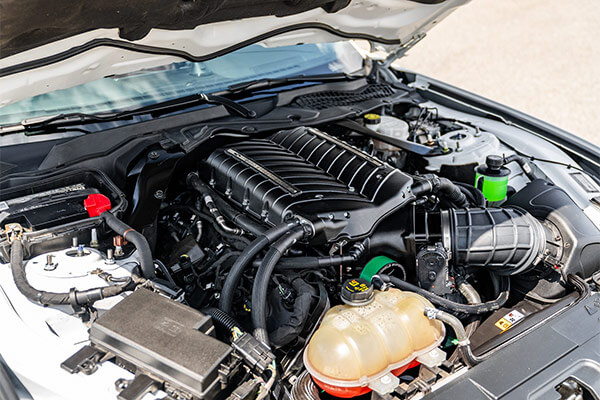
cylinder temperature increase. Ford Performance’s M-12405-M50A Coyote spark plug set, for example, is one heat range colder than stock
and is specifically positioned for nitrous and forced-induction 2011-2023 5.0L Coyote applications. This does not mean every supercharged Coyote uses the same plug. Power level, boost, fuel, ignition
timing, and calibration all matter. The tuner who developed your calibration should have the final word
on heat range. Electrode material affects durability, conductivity, heat transfer, and plug design. Nickel and copper-core plugs are common in traditional and performance applications.
They can offer great conductivity and are often easy to gap for a specific boosted combination, but
service life may be shorter than with precious-metal plugs. Platinum plugs are a strong option for long-term street use. Their durable electrodes
make them well suited to extended maintenance intervals, which is one reason they are found in many
OE-style applications. Iridium plugs use a very fine, durable center electrode. This can help provide
consistent ignition while maintaining long service life. Iridium’s high melting point also makes it well
suited to modern high-temperature engines. Silver-electrode racing plugs, such as several Brisk plugs offered through Steeda, are
aimed more directly at modified and racing combinations. Steeda offers Brisk Mustang spark plugs in
multiple heat ranges for high-compression, forced-induction, and nitrous builds. Do not pick a plug just for the material. Getting the right heat range and matching it to your setup
matters a lot more. The chart below highlights several Mustang spark plugs currently offered through Steeda. Always verify
exact vehicle fitment and follow your tuner's recommendations for heavily modified combinations.
The key takeaway is that there is no single “best Mustang spark plug.” A Motorcraft replacement makes
more sense in a stock S650 GT than an extremely cold racing plug. Likewise, a high-boost Coyote or
Shelby combination can require significantly more thermal capacity than its original plug was designed
around.
Even the right spark plug can trip you up if the gap is of A larger gap needs more voltage for the spark to jump from the center electrode to the ground electrode.
Under increased cylinder pressure, that becomes harder. This is why boosted combinations commonly use a
tighter plug gap than stock applications. NGK notes that higher compression and forced induction typically require a smaller gap to keep reliable
ignition under increased pressure. This is why copying a plug gap from some random build online is a bad idea. Two Coyote Mustangs might run
the same blower, but they can have totally different boost, fuel, ignition, and tuning. Use the specifications recommended by your tuner or the manufacturer of the performance package. Always check so-called pre-gapped Mustang spark plugs before you install them. Shipping can knock the gap
out of spec, and the out-of-the-box setting may not fit your exact combo. Replacement intervals vary substantially with engine, spark plug construction, and vehicle use. Steeda’s Mustang maintenance guidance notes that replacement schedules can range from roughly 30,000 to
100,000 miles, depending on the Mustang and engine. Performance combinations may need more frequent
inspection or replacement. A stock street car on platinum plugs can usually go a long time between changes. A high-boost Mustang
that hits the drag strip or road course often will need fresh plugs much sooner. Rather than relying only on mileage, watch for symptoms such as: On heavily modified cars, spark plugs can tell you a lot about what is happening inside the engine. Their
condition can show signs of too much heat, carbon buildup, oil, or other issues that need attention. Installing spark plugs is simple, but aluminum heads do not forgive mistakes. Work on a cool engine. Clean any dirt or debris from around the plug wells before you pull the old plugs.
Always start the new plugs by hand before you torque them down. Do not tighten them more than needed. Proper spark plug torque affects heat transfer into the cylinder head. NGK notes that both insufficient
and excessive torque can interfere with proper heat dissipation and potentially damage the plug or
engine. Use the torque specification appropriate for your exact Mustang engine and spark plug. If you need to adjust the gap on a fine-wire platinum or iridium plug, move only the ground electrode. Do
not pry against the center electrode or ceramic insulator. Usually not. The factory heat range is selected around the operating conditions of the stock engine. A
colder plug makes more sense after modifications significantly increase cylinder pressure or operating
temperature. There is no universal answer. Mild boosted combinations may require only one range colder, while more
aggressive setups can require additional changes. Follow the spark plug recommendation provided by the
supercharger manufacturer or tuner. Yes. Worn electrodes, excessive plug gap, incorrect heat range, damaged plugs, or insufficient ignition
energy can show up most clearly when cylinder pressure and RPM increase. You should at least verify them. Even pre-gapped plugs should be checked before installation. Modified
engines may also require a different gap from the plug's out-of-the-box setting. Not automatically. Iridium offers excellent durability and fine-electrode performance, which is valuable
for street use. Copper-core performance plugs can be a good choice for combinations that require
frequent inspection or custom gapping. Application matters more than choosing a material based solely
on reputation. Not by themselves. A colder plug is primarily used to manage firing-tip temperature in a more demanding
engine. Its benefit is helping the ignition system remain reliable under conditions where the stock
heat range may no longer be appropriate. Spark plugs might be cheap compared to most performance parts, but picking the right ones deserves just
as much thought as your fuel, tune, or boost setup. Start with the right fitment for your engine. Stick with the stock heat range for a stock or lightly
modded street car unless your setup needs something else. When you crank up cylinder pressure with
boost, nitrous, more compression, aggressive timing, or lots of track time, it is time to rethink both
heat range and plug gap. Above all, treat spark plugs as just one piece of the whole engine combo. A colder plug will not fix a
bad tune, a weak coil, poor fuel, or a mechanical issue. The right plug lets a well-built, well-tuned
Mustang keep firing strong when you are deep into the RPMs and the engine is working flat out.Mustang Spark Plugs: Choosing the Right Plugs for Your Setup
What Spark Plugs Actually Do
Do Performance Mustang Spark Plugs Add Horsepower?
How to Choose the Right Mustang Spark Plugs
Start With the Exact Engine and Model Year
Stock and Mild Street Cars Usually Want an OE-Type Heat Range
Boost, Nitrous, and Heavy Track Use Can Require Colder Plugs
Copper, Platinum, Iridium, or Silver?
Mustang Spark Plug Recommendations by Setup
Mustang/Engine
Typical Setup
Recommended Product
Why it fits
1979-1985 5.0L V8
Stock or restoration
Motorcraft SP-425X Nickel Spark Plug Set
OE-style replacement for early Fox Body 5.0L applications
2005-2008 Mustang GT 4.6L 3V
Stock street car
Motorcraft SP-547X Platinum Spark Plug Set
Factory-style platinum replacement
2008-2010 Mustang GT 4.6L 3V
Stock street car
Motorcraft SP-509X Platinum Spark Plug Set
OE replacement designed for later 4.6L 3V applications
2005-2009 Mustang GT 4.6L 3V
Modified / boosted
ACCEL 8161C1 Cold Copper Spark Plug Set
One heat range colder and adjustable for boosted applications
2011-2023 Mustang GT 5.0L
Supercharger, turbo, or nitrous
Ford Performance M-12405-M50A Cold Spark Plug Set
One heat range colder for increased cylinder pressure
2011-2017 Mustang GT 5.0L
More aggressive high-output build
Brisk RR10S Silver Racing Spark Plug
Three ranges colder for demanding performance combinations
2015-2019 Mustang EcoBoost 2.3L
Tuned / higher boost
ACCEL 578C2-4 Copper Spark Plug Set
Two heat ranges colder and listed at a .030-inch gap
2018-2025 Mustang GT 5.0L
Stock / routine maintenance
Motorcraft SP-589 Platinum Spark Plug Set
OE-style replacement for Gen 3 and later Coyote applications
2003-2004 Cobra / 2007-2012 GT500
Modified supercharged application
Brisk GR14YS or GR12S Silver Racing Spark Plugs
Different options offered for increasingly demanding power levels

Spark Plug Gap Matters as Much as Heat Range
How Often Should Mustang Spark Plugs Be Changed?
Tips for Installing Mustang Spark Plugs Correctly
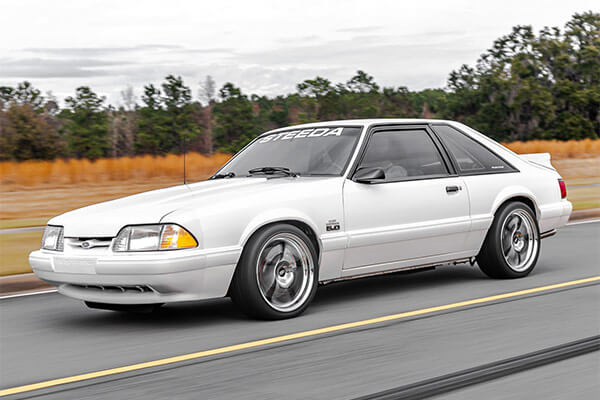
Mustang Spark Plug FAQ
Should I run colder spark plugs in a stock Mustang?
How many heat ranges colder should a supercharged Mustang run?
Can spark plugs cause a Mustang to misfire only at high RPM?
Do I need to gap new Mustang spark plugs?
Are iridium spark plugs better than copper plugs?
Will colder spark plugs make more horsepower?
Pick your spark plug the whole Mustang in mind.