The Ford Maverick's surge in popularity has sparked a wave of aftermarket innovation. At Steeda's
Valdosta, Georgia, manufacturing facility, the Maverick development program kicked into high gear the
moment their own
truck rolled off the transporter. The same CNC machines that have shaped Mustang suspension hardware now
carve billet parts for the Maverick. Two recent additions stand out: one that
transforms the front
suspension stance and geometry, and another that shields the 2.0L
EcoBoost engine from the inside out.
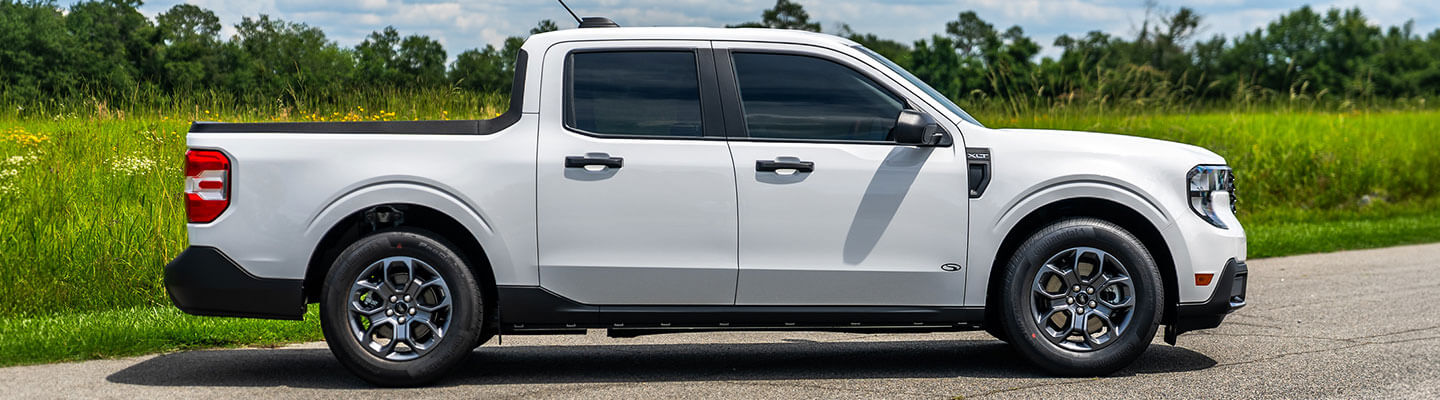
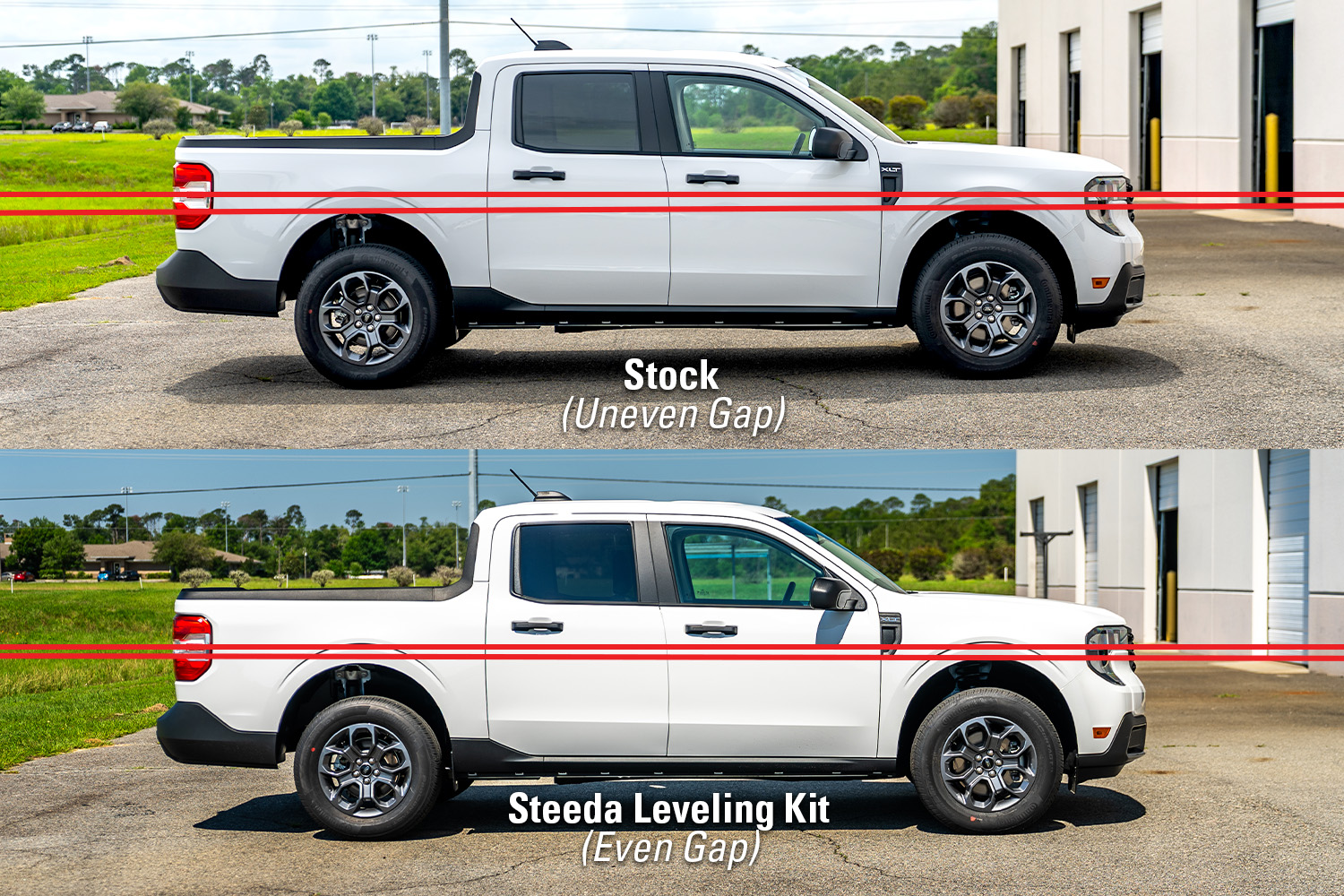
Below is an overview of both upgrades and the engineering considerations behind them. From the factory, the Maverick wears a nose-down rake like most trucks on the road. Ford engineers dial
in that stance for hauling, but in the real world, most Mavericks cruise around empty, leaving the front
end sagging and the approach angle lacking. Steeda's Billet Aluminum 1.25" Front Leveling Kit fixes that
with a true 1.25 inches of lift up front, squaring up the stance and unlocking extra clearance for
curbs, gravel, and the occasional trail. While most leveling kits in this segment are cast or molded, Steeda went a different direction, machining
each kit in-house from aircraft-grade billet aluminum. Starting with a solid block means no casting
voids or seams to turn into weak spots after miles of suspension flex. Tight machining tolerances
guarantee the spacers sit exactly where they belong on the strut assembly, with zero play to work loose
over time. Steeda matches the spacers with grade 10.9 and stainless-steel hardware, skipping the generic
fasteners because a leveling kit is only as strong as the bolts holding it together. The result is what Steeda calls the strongest leveling kit you can bolt onto a Maverick, with solid
machined aluminum and high-strength hardware standing in sharp contrast to the molded spacers found
elsewhere. Geometry is just as important as material. This kit is tailored to the 2022-2026 Maverick's front
suspension, so the 1.25" lift comes with no suspension bind and no change to factory geometry. The
original springs and dampers stay put, doing exactly what Ford intended, so ride quality and steering
feel stay stock. You get the leveled stance, better approach angle, and space for bigger tires, without
sacrificing daily drivability. Installation is fully bolt-on with no
cutting or modification required. The main steps involve securely
raising the vehicle, unbolting the front struts, fitting the billet spacers onto the strut mounts, and
reassembling with the provided hardware. Most owners with basic hand tools and mechanical experience can
complete the install in about two hours. For those new to suspension work, Steeda provides detailed
instructions and a video guide online to help walk through each step. Fitment covers 2022-2026 Mavericks
in XL, XLT, and Lariat trims. The kit does not fit hybrid models or trucks equipped with the Tremor
package. The 2.0L EcoBoost uses direct injection, which brings a familiar problem. With fuel spraying directly
into the cylinder rather than washing over the intake valves, nothing keeps the backs of those valves
clean. At the same time, the factory PCV system sends oil-laden crankcase vapors right back through the
intake. Over time, that oil mist bakes onto the throttle body, intake valves, and pistons as carbon,
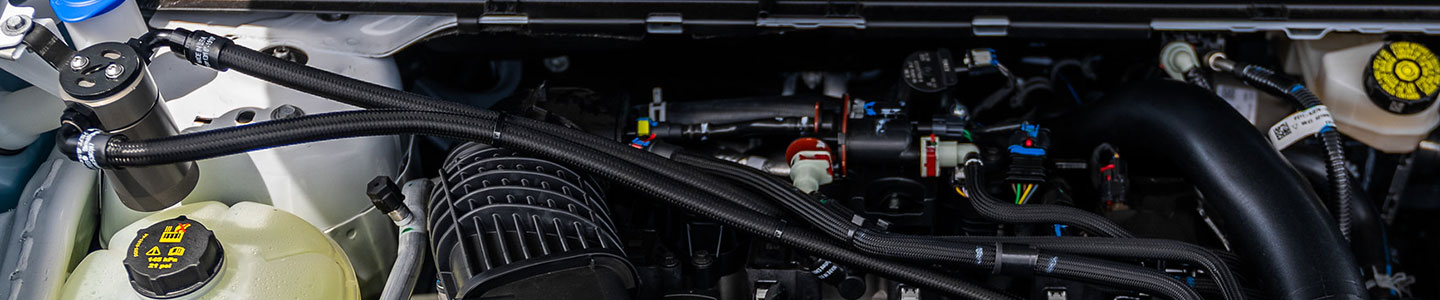
while the vapor itself dilutes the incoming charge, lowering octane and costing power. Steeda's Premium Passenger Side Oil Separator tackles the issue at the source. Plumbed into the PCV
circuit, it grabs oil and vapor before they ever reach the intake manifold, keeping the combustion path
clean and the charge pure. The separator body is CNC-machined from aerospace-grade billet aluminum, built to handle the heat and
grime under the hood while looking like it belongs there. The plumbing gets the same treatment: custom
AN-style aluminum fittings for a leak-free seal, and hoses wrapped in mesh nylon loom for abrasion
resistance and a factory-fresh look. Steeda designed this separator with factory-style connections, so installation amounts to unclipping
the
stock PCV hose and clipping the separator into place. No tools, roughly one minute of work, and
the
whole thing is completely reversible to stock just as quickly. Capacity was a deliberate choice. The 4oz catch bowl is sized so you're not always emptying it; Steeda
suggests checking it every 1,500 miles or so, depending on engine condition and how you drive. When
checking the separator, look for visible oil in the catch bowl. If it is more than half full, or if you
notice oil accumulating faster than expected, consider checking and emptying it more often. The knurled
bowl threads off by hand, so draining it takes seconds and no tools. Fitment covers 2025-2026 Mavericks with the 2.0L EcoBoost across XL, XLT, Lariat, Lobo, and Tremor trims.
This oil separator is not compatible with 2022-2024 Mavericks, as changes in the PCV routing and
underhood layout for 2025 and newer trucks prevent installation on earlier models. Owners of 2022-2024
2.0L Mavericks should check back for future options tailored to their vehicles. Both parts are CNC-machined in-house at Steeda's Valdosta shop from billet aluminum, engineered
specifically for the Maverick. Each one solves a real mechanical problem, whether it's fixing suspension
rake or keeping the intake tract clean. That's the same philosophy Steeda brings to every Ford project,
and it's shaping the Maverick program from the ground up. Steeda's Maverick upgrades are just the beginning. As the program grows, expect more solutions built for
real results, all engineered with the same attention to detail. Owners can look forward to future parts
for suspension, performance, and appearance upgrades, all tailored to the Maverick's unique needs. The
next chapter for the Maverick is already taking shape in the shop.New From Steeda R&D: Two Ford Maverick Upgrades Built In-House
Steeda Maverick Billet Aluminum 1.25" Front Leveling Kit (2022-2026)
Why billet aluminum instead of the usual polymer spacer
Lift without the usual side effects
Steeda Maverick 2.0L Premium Passenger Side Oil Separator (2025-2026)
Engineered for durability and appearance
Quick installation and practical maintenance
Two parts, one development philosophy