There is a unique sense of pride that comes with working on your own Ford Mustang. Whether you’re
piloting a late-model S550 or the cutting-edge S650, the connection between driver and machine is forged
not just behind the wheel, but also under the chassis. For many enthusiasts, the idea of "modding" a car
conjures up images of expensive shop bills, specialized tooling, and complex alignments that require a
computer to solve. However, we are here to tell you that some of the most impactful performance upgrades
for your Mustang don't require a professional mechanic, in fact, it can be done right in your driveway.
Many owners assume that suspension or drivetrain modifications are strictly "shop only" territory. But in
reality, a wide array of parts can be installed right in your own driveway with a basic set of tools and
a free afternoon. These modifications are designed to be "bolt-on" solutions, meaning they utilize
existing factory mounting points and, crucially, do not require a follow-up trip to the alignment shop.
If you have a basic understanding of mechanical work, this is your sign to stop paying for labor and
start taking ownership of your build. Below, we dive deep into nine DIY upgrades that will transform
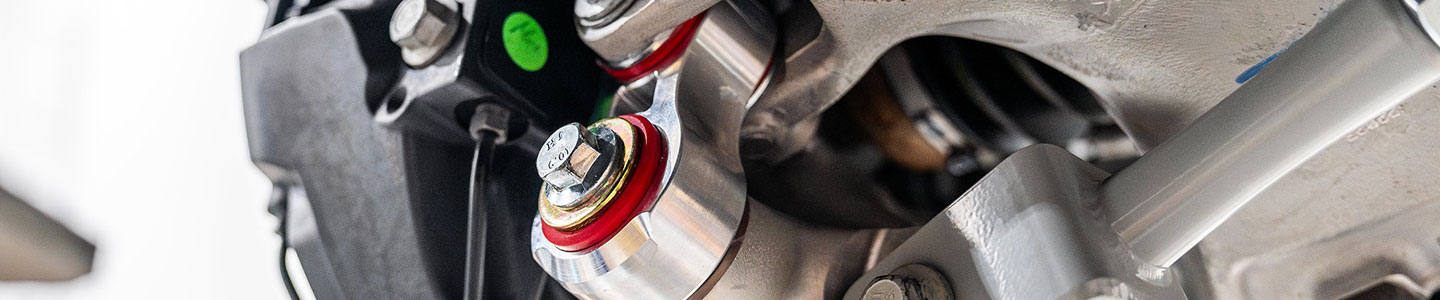
your Mustang's traction, handling, and overall driving feel. One of the first upgrades any Mustang owner should consider is the rear vertical link. When Ford
transitioned the Mustang to an Independent Rear Suspension (IRS) platform in 2015, it opened up a world
of handling potential. However, the factory vertical links are often a weak point in the system. The Benefit: Eliminating Wheel Hop - The primary goal of a Steeda vertical link is to
stop wheel hop. Wheel
hop occurs when the rear suspension components deflect under load, causing the tires to lose and regain
traction rapidly. This isn't just slow; it's hard on your drivetrain. By replacing the thin factory
pieces with a beefier, billet aluminum version, you significantly reduce deflection. This keeps the
tires planted, providing more consistent traction during hard launches or spirited cornering. Why it's a DIY Favorite: Simple Two-Bolt Install - Installing vertical links is a
straightforward process
involving only two bolts per side. Because these links are located on the rear knuckle and do not
control the primary geometry of the wheel, they do not change your camber or toe settings. This means
you can swap them out in your driveway and hit the road immediately without worrying about wearing out
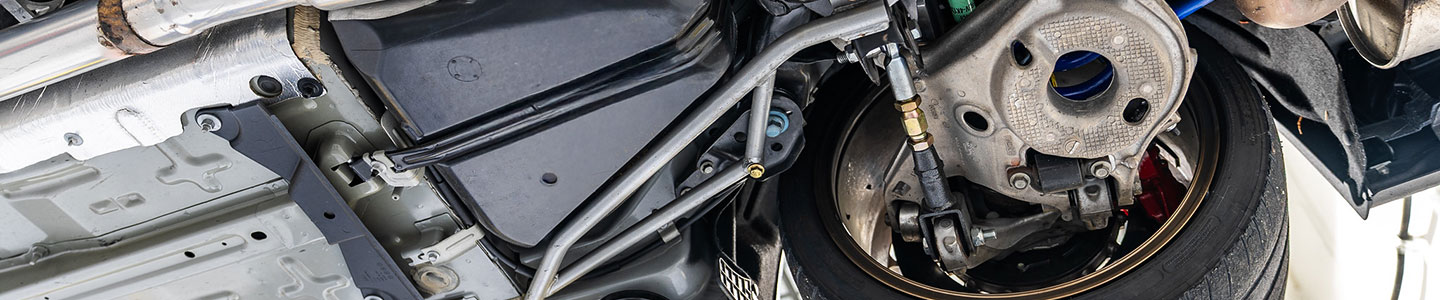
your tires. If you are serious about improving traction and stability, the next step in your DIY journey should be
our patented Steeda IRS braces. While "IRS" stands for Independent Rear Suspension, sometimes the
subframe itself can be a little too independent from the rest of the chassis. The Benefit: Locking Down the Rear End - The factory IRS subframe is held in place by
large rubber bushings that allow for a fair amount of movement. While this is great for dampening road
noise, it is detrimental to performance. These braces tie the IRS subframe directly to the chassis,
preventing it from "walking" or shifting during acceleration. The result is a more predictable car that
puts power down more efficiently. Why it's a DIY Favorite: No Subframe Removal Required - The name might sound intimidating, but
you aren't actually removing the IRS. Instead, you are simply adding the brace onto the existing
assembly. The kit utilizes two factory holes that are already threaded in the front of the chassis. It
then ties into the front mount of your rear lower control arm. Like the vertical links, this is a
"bolt-on and go" modification that doesn't mess with your alignment. Performance isn't always about adding stiffness; sometimes, it's about taking away what you don't need.
In the world of racing, weight is the enemy of performance, and the nose and tail of the car are one of
the best places to lose it. The Benefit: Increasing Performance - Through Weight Reduction While a bumper bar won't
directly increase your traction like a suspension brace, it improves your Mustang's power-to-weight
ratio and handling characteristics. The factory steel bumper bars are surprisingly heavy. Replacing the
front bar alone can save nearly 15 pounds. Removing weight from the very front or very rear of the
vehicle reduces its moment of inertia, making the car feel more nimble and responsive during turn-in.
Why it's a DIY Favorite: The "While You're In There" Mod If you are already planning to remove
your bumper,
perhaps to install new headlights, a new grille, or a rear valance, adding a bumper bar takes only about
ten extra minutes. It is a simple mechanical installation that pays dividends every time you accelerate
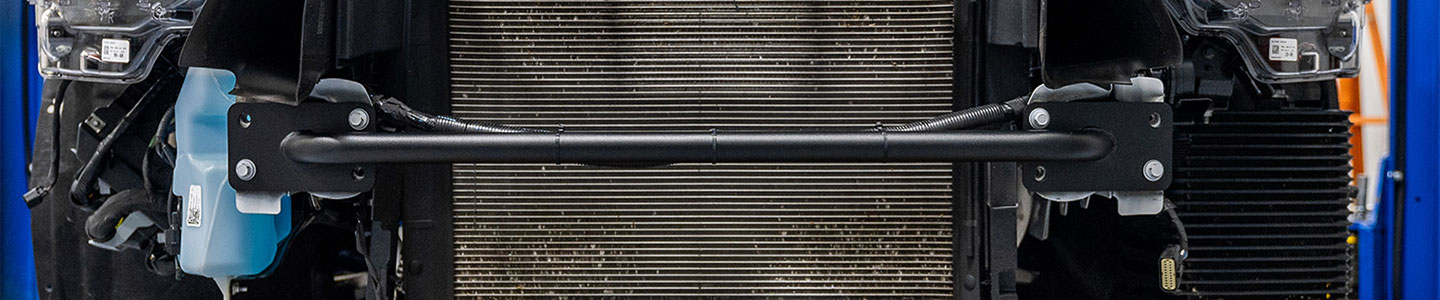
or dive into a corner. Front-end feel is critical for driver confidence, and the G-Trac braces (available in 2-point and 4-point
configurations) are designed specifically to sharpen that connection. The Benefit: Reducing Chassis - Flex The front K-member of the Mustang is a large
structural component that carries the engine and front suspension. Under high cornering loads, this
K-member can flex, which dulls steering response and can even slightly alter alignment mid-corner. The
G-Trac brace bolts across the K-member to reduce this unwanted flex. Drivers often report a much better
feel through the steering wheel and a more "pointed" sensation when entering a turn. Why it's a DIY Favorite: Factory Mounting Locations - Much like our rear-end solutions, the
G-Trac braces utilize existing factory locations. There is no drilling, no welding, and no change to
your chassis settings or alignment. It is a simple matter of bolting the brace in place, which can
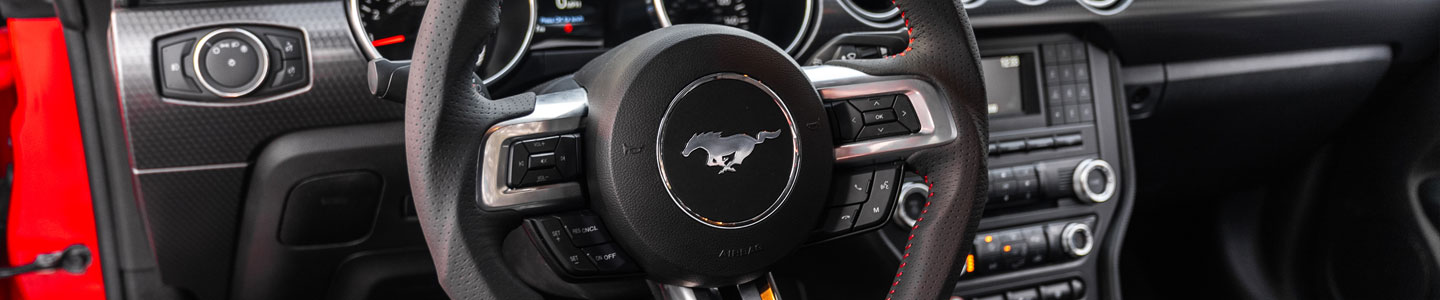
easily be done on a set of ramps in your driveway. Most performance mods happen under the car, but this one happens right in your hands. Replacing your
factory steering wheel is one of the most rewarding DIY projects you can undertake. The Benefit: Instant Gratification - The steering wheel is your primary physical
connection to the car. Upgrading to a wheel with premium materials like Alcantara, carbon fiber, or
improved leather doesn't just look better; it feels better every time you drive. It provides a
thicker, more ergonomic grip that enhances the overall driving experience. Why it's a DIY Favorite: A "Kitchen Counter" Project - The biggest concern owners have
with this mod is the
airbag. However, by simply disconnecting the battery and following the proper safety instructions,
the airbag assembly can be safely removed. Once the wheel is off the car, you can take it inside to
the comfort of your kitchen counter or any other environmentally controlled area of your choosing.
This allows you to work in a controlled environment away from
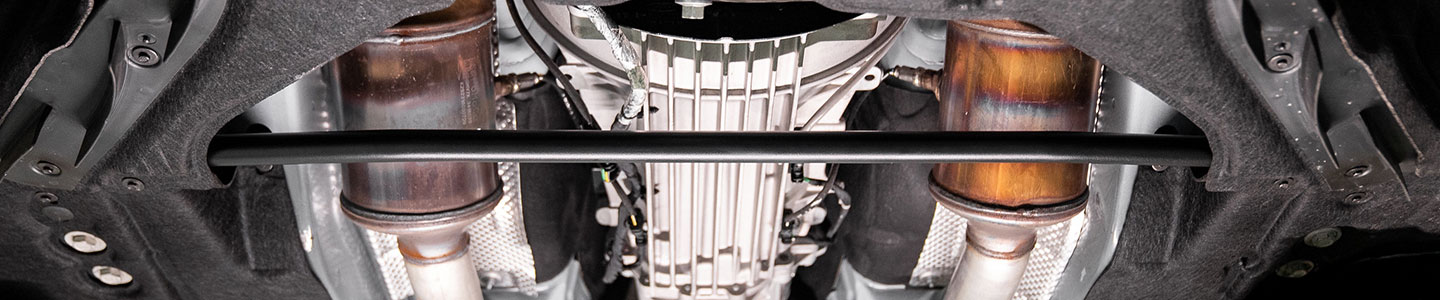
the heat or cold—to transfer over your factory buttons and trim pieces to the new wheel. For those who plan on taking their Mustang to the drag strip, safety isn't just a suggestion, it’s
often a requirement. A driveshaft safety loop is a critical piece of insurance for any high-powered
build. The Benefit: NHRA Compliance and Peace of Mind - If a driveshaft or U-joint were to
fail at high
speeds, the loop is designed to catch the spinning shaft, preventing it from digging into the track
surface or entering the cabin. Getting an NHRA-approved loop is a key step for any racer looking to
push the envelope. Even if you don't race, it provides immense peace of mind during spirited
driving. Why it's a DIY Favorite: No Driveshaft Removal In the past, safety loops were often full,
welded circles
that required you to unbolt the entire driveshaft to slide them on. Modern designs have evolved. Our
current kit is a multi-piece design that slides over the shaft and bolts directly to the existing
transmission mount. By using provided existing holes, this becomes a simple bolt-on addition that
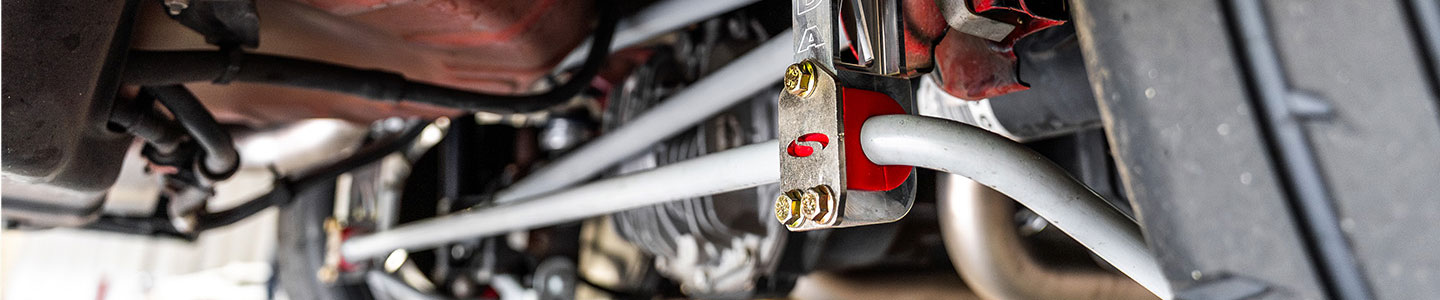
requires no removal of major drivetrain components. If you find that your Mustang has too much body roll in the corners, an adjustable rear sway bar is the
perfect afternoon project. The Benefit: Tuning Your Handling A sway bar's job is to reduce the amount of roll or
"lean" in your car as you turn. What makes an adjustable bar special is that you can tune the stiffness
to your liking. By choosing different mounting holes, you can make the rear of the car corner flatter
and tighter or allow for a bit more roll. Why it's a DIY Favorite: Accessibility - While front sway bars can be difficult to install due
to the engine,
steering components, and alternator being in the way, the rear sway bar is highly accessible. It only
involves four mounting points: the two main bushings and the two end links. Because it doesn't change
the placement of the wheels, no alignment is necessary. We always recommend starting with the middle
hole to get a feel for the new balance of the car. When you start modifying your suspension, especially if you lower the car, your factory end links may no
longer be at the ideal length. Adjustable end links are the solution to keeping your suspension geometry
in check. The Benefit: Maintaining Proper Geometry - If you change your ride height, the angle of
the sway bar changes. Adjustable end links allow you to reset that geometry so the sway bar can do its
job effectively. Our links are also greaseable and completely rebuildable, meaning they will provide
performance for the long haul. Why it's a DIY Favorite: Simple Installation - Don't let the word "adjustable" scare you into
thinking you need an alignment shop. You are simply adjusting the height of the link, and we provide
detailed directions for your specific application. It is a very simple installation that can be added to
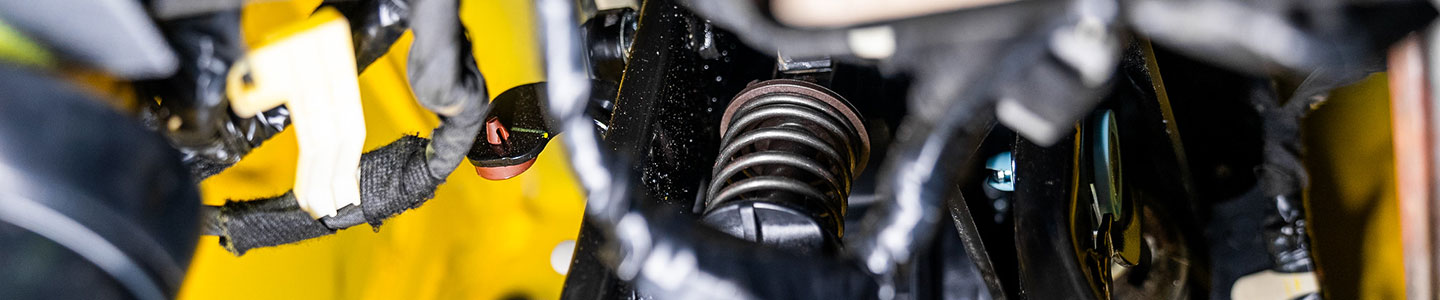
either stock or upgraded sway bars. Finally, for the manual transmission drivers, the factory clutch spring is a small part that makes a
massive difference in how the car feels. The Benefit: Restoring Clutch Feel - Modern Mustangs use a very heavy assist spring to
make the clutch
pedal easier to push. However, this often results in a "numb" or vague feeling at the engagement point.
Our replacement spring is designed to provide a more linear, natural feel so you know exactly where the
clutch is grabbing. Unlike just removing the spring entirely, which can lead to premature slave cylinder
failure, our kit maintains the necessary tension to protect your drivetrain. Why it's a DIY Favorite: Under the Dash - This modification doesn't even require you to crawl
under the car. It
is located right under the dashboard at the top of the clutch pedal. It’s a simple swap that is
completely reversible. If you opt for the kit with the clutch perch, you don't even have to deal with
the messy factory grease. Taking the DIY route doesn't mean being reckless; it means being informed. By understanding how these
parts work and utilizing the factory mounting points, you can significantly enhance your Mustang’s
performance right from your driveway. Once you have the confidence to knock out these jobs yourself, a
visit to the shop becomes a choice, not a necessity. You’ll find that you take even more pride in your
Mustang when you know exactly what went into making it faster and better to drive.9 Essential Mustang Mods You Can Install in Your Driveway
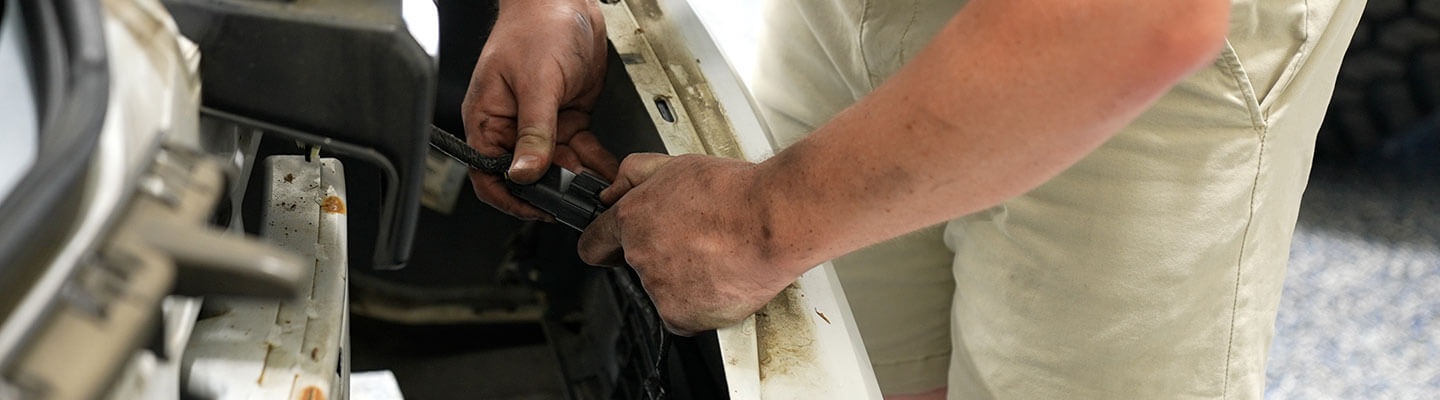
Table of Contents
1. Mustang Vertical Links
2. IRS Subframe Support Braces
3. Lightweight Front and Rear Bumper Bars
4. G-Trac Chassis Braces
5. High-Performance Steering Wheels
6. Driveshaft Safety Loops
7. Adjustable Rear Sway Bars
8. Adjustable Sway Bar End Links
9. Clutch Spring Kits